carports-wollongong’>Carports are a practical addition to many Australian properties, providing a convenient place to protect vehicles from the elements without the cost and complexity of building a fully enclosed garage. They can be designed to suit different property sizes, vehicle types and architectural styles, making them a versatile option for homeowners.
Whether you are considering adding covered parking to your property or replacing an existing structure, it is worth understanding the different factors involved. From materials and design to installation and maintenance, there are several things to consider before making a decision.
What Is A Carport?
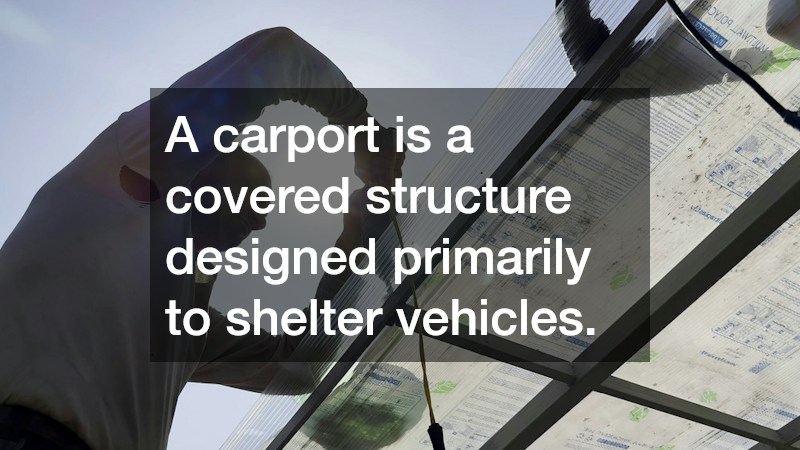
A carport is a covered structure designed primarily to shelter vehicles. Unlike a garage, it generally has open sides, although some designs may include partial walls or screening for additional protection and privacy.
Carports can be attached to a home or constructed as a freestanding structure. The right option will depend on your available space, property layout and how you intend to use the area.
Because they are typically more open than garages, they can also provide convenient access to your vehicle without requiring doors to be opened or closed.
Protecting Vehicles From The Elements
One of the main advantages of carports is the protection they can provide from Australia’s changing weather conditions. A suitable roof can shield vehicles from direct sunlight, rain, hail and falling debris.
Reducing exposure to harsh sunlight may be particularly useful during warmer months. Prolonged exposure to ultraviolet rays and heat can affect a vehicle’s exterior and interior over time.
A covered parking area can also make getting into and out of a vehicle more comfortable during rainy weather.
Choosing The Right Materials
The materials used for a carport can influence its appearance, durability and maintenance requirements. Common options include steel, aluminium and other durable building materials.
Steel can provide strength and stability, while aluminium may offer a lightweight alternative that is resistant to corrosion. Roofing materials can also vary depending on the desired appearance, budget and level of protection required.
Consider the local climate and the overall style of your property when selecting materials. A structure that complements the existing home can create a more cohesive appearance.
Considering The Design
The design of carports should take both practicality and appearance into account. Think about the number of vehicles you need to accommodate and whether there needs to be additional space around them.
The height and width should allow vehicles to enter and exit comfortably. If you own a larger vehicle, caravan or four-wheel drive, make sure the proposed dimensions are suitable.
You should also consider where the structure will be positioned. Its location can affect vehicle access, pedestrian pathways, garden areas and the overall use of your outdoor space.
Understanding Planning Requirements
Before construction begins, it is important to determine whether planning approval, building approval or other permissions are required. Requirements can vary depending on your state or territory, local council, property characteristics and the proposed size and location of the structure.
There may also be requirements relating to setbacks, height, drainage and structural safety. Checking the relevant requirements before starting construction can help prevent costly changes later.
A qualified professional can help you understand what may be required for your particular project.
Thinking About Additional Uses
Although vehicle protection is the primary purpose, carports can sometimes provide useful additional outdoor space. Depending on the design, the covered area may be suitable for storing bicycles, bins or other outdoor equipment.
Some homeowners may also use the space for occasional entertaining or as a sheltered area for outdoor activities. However, it is important to ensure that any additional use is consistent with the structure’s design and applicable regulations.
Planning the space around your everyday needs can help you make better use of the investment.
Maintaining Your Carport
Like any outdoor structure, a carport benefits from regular maintenance. Keeping the roof and surrounding areas free from leaves, dirt and debris can help maintain the structure.
Inspecting visible components periodically may also help you identify signs of corrosion, damage or deterioration. Gutters and drainage systems, where installed, should be kept clear so water can flow away effectively.
Addressing minor issues promptly can help prevent them from becoming more significant maintenance concerns.
A well-designed carport can provide convenient covered parking while complementing the appearance and functionality of your property. From choosing suitable materials and dimensions to considering local requirements and ongoing maintenance, careful planning can make a significant difference.
Whether you need protection for one vehicle or additional covered outdoor space, carports can offer a practical alternative to a traditional garage. Take the time to assess your property, determine your needs and discuss your plans with an experienced professional before construction begins. With the right design and installation, your new structure can provide useful protection and value for years to come.